Somewhere tonight, in a hospital waiting room or a dark kitchen, someone is saying the first line of Psalm 23 under their breath. They may not remember the rest. They do not need to.
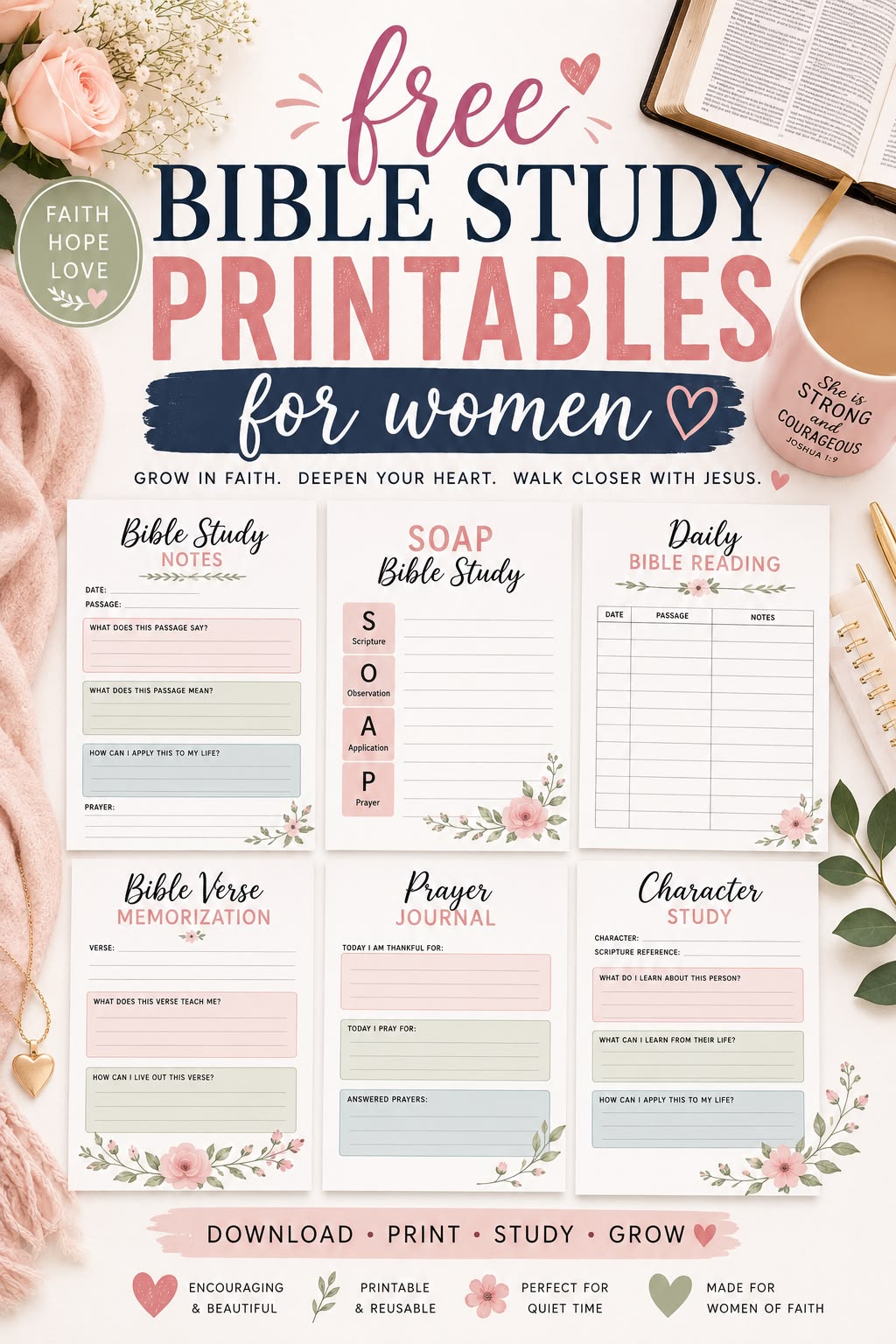
If you found this page through the Study Notes pin, this is the fuller version: all six verses in the King James Version, a plain-spoken walk through each one, three questions to sit with, and a printable you can keep in your Bible or beside your bed.
Psalm 23 in the King James Version
Read it slowly once. Then read it again and notice which line makes you slow down.
1The LORD is my shepherd; I shall not want.
2He maketh me to lie down in green pastures: he leadeth me beside the still waters.
3He restoreth my soul: he leadeth me in the paths of righteousness for his name’s sake.
4Yea, though I walk through the valley of the shadow of death, I will fear no evil: for thou art with me; thy rod and thy staff they comfort me.
5Thou preparest a table before me in the presence of mine enemies: thou anointest my head with oil; my cup runneth over.
6Surely goodness and mercy shall follow me all the days of my life: and I will dwell in the house of the LORD for ever.
Psalm 23, KJV
Study notes, verse by verse
David wrote this as a man who had spent years with sheep. Every picture in it is something a shepherd does. That is the key to reading it: the psalm is not a list of ideas about God, it is a day in the life of a flock.
The Shepherd provides
“I shall not want” is not a promise that every wish comes true. It is the calm conclusion of someone who knows who is looking after him. A flock lies down only when it feels safe and has been fed, so when the Shepherd makes us lie down, the rest is his gift. He “restoreth my soul,” bringing back what has worn thin, and he leads “for his name’s sake.” His own name is on the way he leads, which is a good reason to trust the direction.
The Shepherd protects
Watch the pronouns. Through the first three verses David talks about the LORD. In the valley he turns and talks to him: “thou art with me.” The comfort is not a cleared road. It is company on a hard one. The valley is something we walk through, not a place we are told to settle, and the rod and the staff, a shepherd’s tools for defending and guiding, are what David says comfort him.
The Shepherd prepares
God does not always remove the trouble before he serves the meal. The table is set “in the presence of mine enemies.” The oil on the head and the cup that runs over are a host’s welcome, the kind given to a guest who is meant to stay. The Shepherd of the pasture has become the host at the table. He is the same person in every scene.
The Shepherd promises
“Follow” sounds gentle in English. The Hebrew verb behind it is one Scripture often uses for pursuit. Goodness and mercy do not trail politely behind David. They chase him down “all the days of my life.” And the psalm ends indoors, in the house of the LORD “for ever.” The flock ends up at home.
A psalm for Tuesday, not only for funerals
Many of us met Psalm 23 at a funeral, which is a good place to meet it and a small place to leave it. Look at the verbs in the King James text: maketh, leadeth, restoreth, preparest, anointest. They are all present tense.
David is not describing one rescue. He is describing what the Shepherd does on an ordinary day, and what he keeps doing when the day is not ordinary.
Three questions to sit with
- Where am I trying to lead myself right now, instead of following?
- What valley am I walking through, and what changes when I say “thou art with me” out loud?
- Where have goodness and mercy already followed me, in ways I only noticed later?
Write your answers down if you can. The printable has room for them.
Start with these 7 free bedtime prayers
Enter your email and it arrives in your inbox. After that I send the occasional prayer or printable, and you can unsubscribe whenever you like.
How people use it
Morning, before the phone. One verse group, one cup of coffee, five minutes. Slip the page inside your Bible and it becomes a bookmark you actually use.
On the nightstand. For the nights when your mind will not settle, the six verses are short enough to read by a small lamp.
In a small group. Print a few copies and read the psalm aloud, one verse each, before anyone says a word about it.
For a friend in a valley. Print an extra and tuck it into a card. Nobody needs a speech. A page with the LORD is my shepherd on it says enough.
Common questions about Psalm 23
What does “the valley of the shadow of death” mean?
It describes the darkest kind of passage, a place where danger and death are close. Many readers apply it to grief, illness, and fear. The promise fits all of them: the LORD is with you in it, and you are walking through, not stopping there.
Who wrote Psalm 23?
The heading of the psalm in the King James Version credits David.
Why the King James Version?
It is public domain, and its rhythm is the one generations of Christians have memorized and prayed. All Scripture on this site is quoted from the KJV.
Also on this site: if you would rather carry verses in your pocket, our Scripture Cards are $3.99 on Payhip. And if you are looking for a different passage, try the Bible Verse Finder.
Back to the waiting room. The person whispering that first line has not run out of psalm. There are five verses more, and each one shows the Shepherd staying close. The LORD is my shepherd, and he does not leave.



No comments: